


-
11/26


Sophie Lou Jacobsen:
The Designer Making Everyday Objects Interesting
Some people collect art — others collect beautiful objects, obscure references, dinner-party stories and reasons to buy another set of glasses. Sophie Lou Jacobsen, I suspect, belongs to the latter category.
The French-American designer has built a rather recognizable universe around domestic objects, from her now-famous Ripple Cups to elaborate lighting and tabletop collections. There is a certain theatricality to her work, a little old-world glamour mixed with something decidedly cheekier. A combination I find difficult to resist.
But behind the colorful glassware and Instagram-friendly silhouettes is a designer with a much more considered relationship to objects, history and the rituals of everyday life.
Building worlds, one object at a time
Jacobsen's interest in aesthetics seems to have started long before her studio was established in 2019. Growing up between American and French influences, she spent much of her childhood rearranging her bedroom, organizing imaginary tea parties and collecting visual references. She later moved to Paris before studying product design at Central Saint Martins in London.
I find this early inclination towards world-building particularly interesting. It helps explain why her work feels like more than a collection of individual products. There is an atmosphere to it, almost a complete domestic universe.
Her first independent project, the All Purpose Set, was a collection of glass vessels designed to make homemade cleaning products feel a little more considered. An unexpectedly charming starting point for a design career, perhaps, but also a revealing one: Jacobsen was interested in the emotional potential of ordinary objects long before the Ripple Cup became a cult favorite.
Her own design philosophy revolves around the idea that objects can influence our mood through both form and function. In other words, usefulness doesn't have to come at the expense of pleasure.
Quite right.
A little Memphis, a little mischief
There is no shortage of cultural references in Jacobsen's work. Look closely and you'll find echoes of the Memphis Group, the Italian design movements of the 1960s and 1970s, Art Deco geometry and the decorative arts.
The influence of Memphis is particularly interesting. Founded in Milan in 1981 around Ettore Sottsass, the movement challenged the austere rationalism of Modernism with bold colors, unconventional shapes, decorative surfaces and a healthy dose of irreverence. It suggested that design could be functional without being obedient.
Jacobsen seems to share that sentiment. Her glassware plays with proportion and silhouette, making something as familiar as a drinking vessel feel almost mischievous. Yet there is discipline behind the apparent spontaneity: material research, production knowledge and a close relationship with artisans.She also maintains a separate, more experimental practice with glassblowers in New York, where working directly with the material informs the objects produced by her studio.For anyone persuaded by the case for everyday indulgence, a few pieces from the studio to begin with: small glasses, a generous tray, and the right coupe for the last pour of the evening.
 Le Petit Verre Bonbon Set
Imperfect pastel stripes follow the cup’s curved silhouette, bringing a playful note to the table.
 Squiggle Tray
A generous stainless steel tray with softly waved handles, made for oysters, martinis, and the art of hosting.
 Angel Flute Set
A petite champagne flute whose curved silhouette recalls the pendulous bloom of its namesake flower.
 Totem Glasses Set
A stemless glass for spritzes and drinks over ice, equally suited to chocolate mousse or sorbet.
 Cosmo Cordial Coupe Set
A 1.5 oz coupe for the final pour: a digestif, a bitter amaro, or something worth savouring slowly.
This post contains affiliate links: if you buy through them, Studio Anaar may earn a small commission at no extra cost to you.
I particularly like this relationship between the serious and the frivolous. There's something refreshing about a designer who understands the technicalities of making an object but still leaves room for a little nonsense.
The art of setting a table
If there is one place where Jacobsen's sensibility comes together particularly well, it is around the dinner table.
Her 2026 collection, Disco Aperitivo, introduced at Milan Design Week, takes inspiration from Italian aperitivo culture and the visual language of 1970s and 1980s Italo disco. Think vintage cocktail bars, mirrored surfaces, crystals, smoky glamour and the particular pleasure of having nowhere else to be.
The references are wonderfully specific. Films such as Suspiria and Dressed to Kill, vintage issues of Gourmet magazine and the social rituals of Milanese bars all informed the collection.
Crystal embellishments, copper-enamelled trays and vintage-inspired cocktail glasses bring a certain decadence to the table. But this isn't simply nostalgia dressed up as design. Jacobsen is interested in the rituals themselves: the little plates, the different glasses, the transition from the working day into an evening with friends.
It is a lovely reminder that hospitality is also a form of design. The objects, the lighting, the food, the music — all of it contributes to an experience.
And if we're going to have a drink, we might as well make an occasion of it.
Beyond the Ripple Cup
Perhaps the most interesting part of Jacobsen's recent evolution is her desire to move beyond the aesthetic that first made her recognizable.
The Ripple Cup brought considerable attention to her studio, but success has its complications. As she discussed in her New York Times profile, becoming associated with a particular trend can also mean becoming confined by it.
Her newer work feels like a natural response. The palette is more nuanced, the references more layered, and the materials increasingly varied. Metalwork, textiles and more elaborate collectible objects are expanding the studio's vocabulary.
I find this transition worth following. Rather than abandoning her original visual language, she seems to be testing how far it can go. How much ornament can an object carry before it becomes excessive? How do you make something glamorous without making it feel dated? And how do you maintain a recognizable identity without repeating yourself?
These are much more interesting questions than whether a particular glass looks good on a shelf.
A case for taking pleasure seriously
What I appreciate about Sophie Lou Jacobsen is that she seems to understand something we occasionally forget in conversations about design: objects are not just things we use. They are things we live with, develop attachments to and, sometimes, build entire little rituals around.
There is a place for restraint, minimalism and the beautifully functional. But there should also be room for ornament, humor, color and the occasional unnecessary extravagance.
I don't need every glass in my cupboard to have a backstory, naturally. But I do like the idea of choosing things with a little more intention, and perhaps a little more personality.
Jacobsen's work makes a convincing case for that kind of everyday indulgence. Not luxury as a display of wealth, but beauty as a small, accessible pleasure.
A little glamour, a little eccentricity, a good cocktail and something interesting to look at. Really, what more could one ask for?
Photography: Sophie Lou Jacobsen Studio -
06/06


In 2011, Nicolas Schuybroek founded his architectural practice in Brussels, Belgium, driven by a mission to create spaces with precision, craftsmanship, and warmth. His style, often labeled monastic and minimalistic, reveals a artful elegance.
Schuybroek's meticulous approach sets him apart, earning him multiple listings on the AD100 and features in international publications. From the shores of the Cote d’Azur to the energy of Mexico City, his work seamlessly blends context with a deep understanding of individual needs.
Beyond architecture, Schuybroek designs objects showcased at prestigious events like the Milan Furniture Fair and Salone del Mobile. Currently engaged in large-scale projects globally, his multicultural background enriches his work with a broad, international perspective.
Nicolas Schuybroek, is not just an architect but a visionary rewriting the rules of architectural elegance. -
05/05

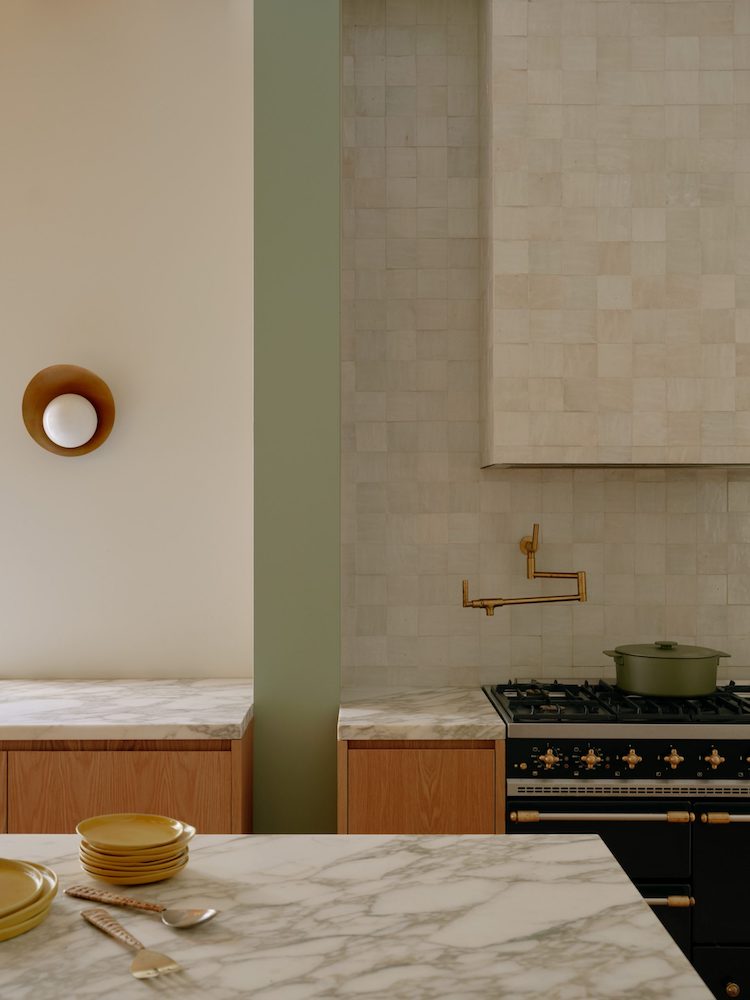
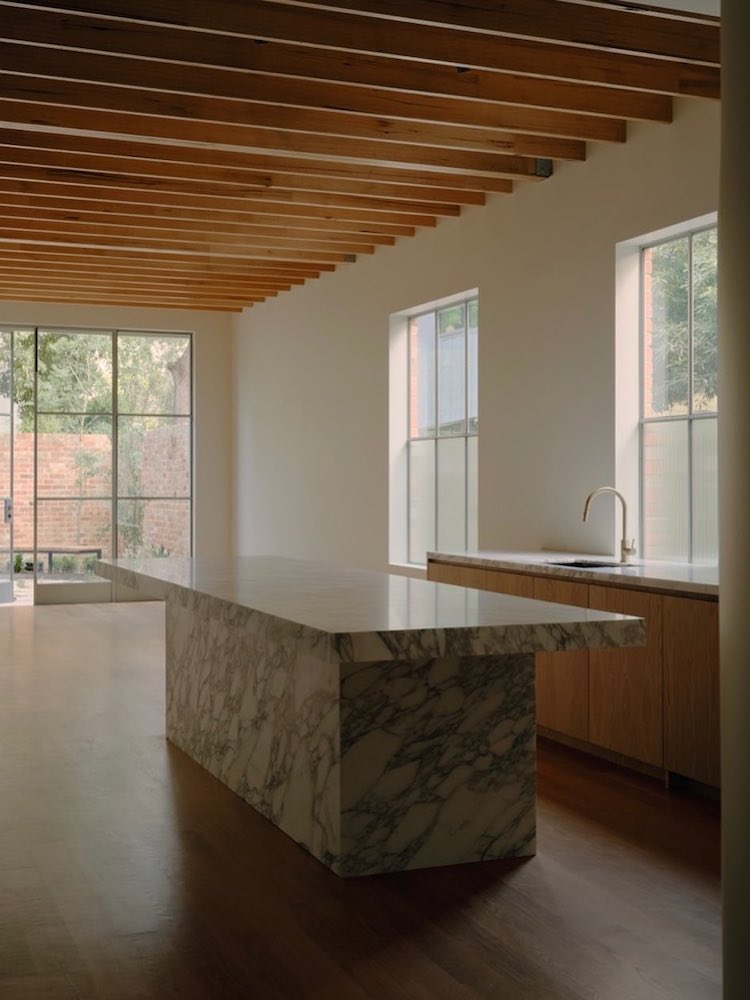
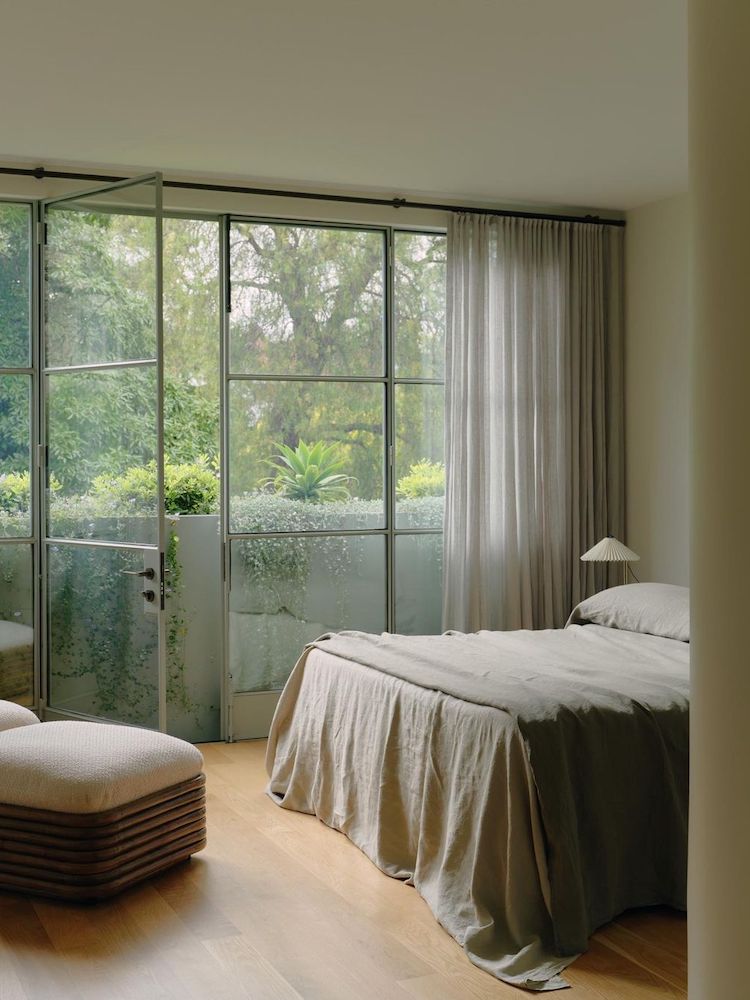
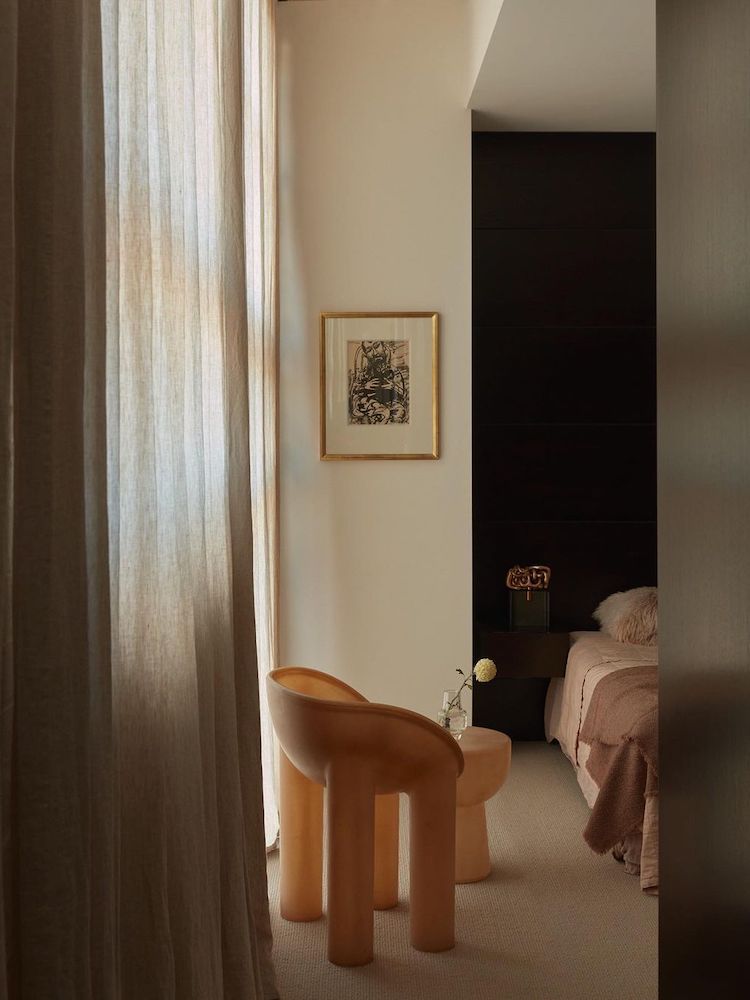
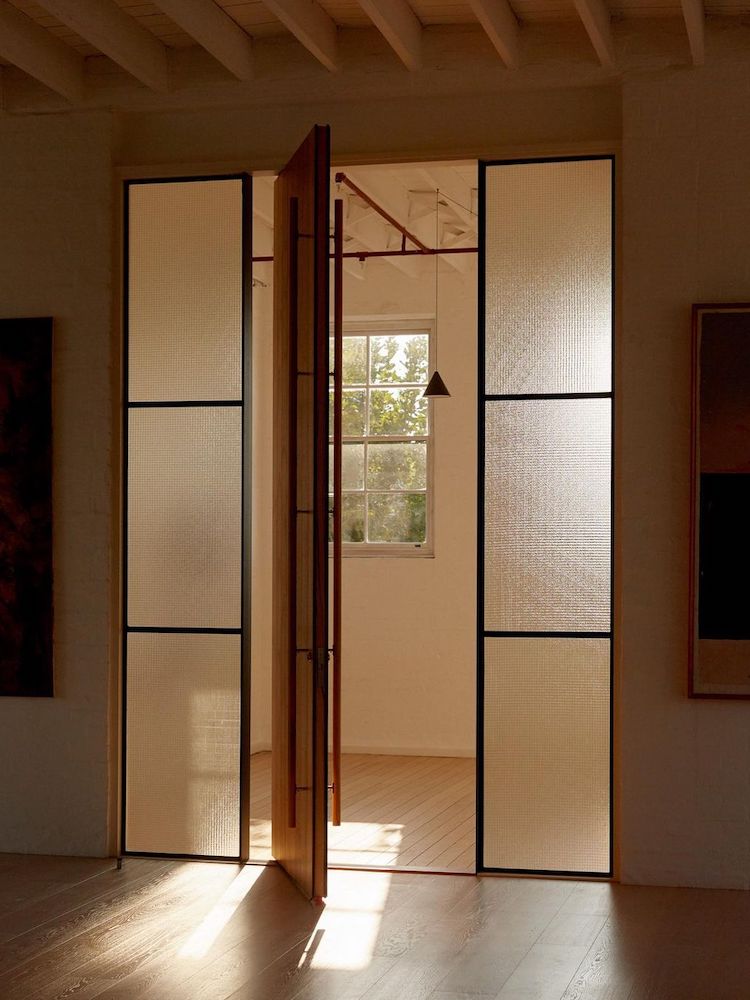
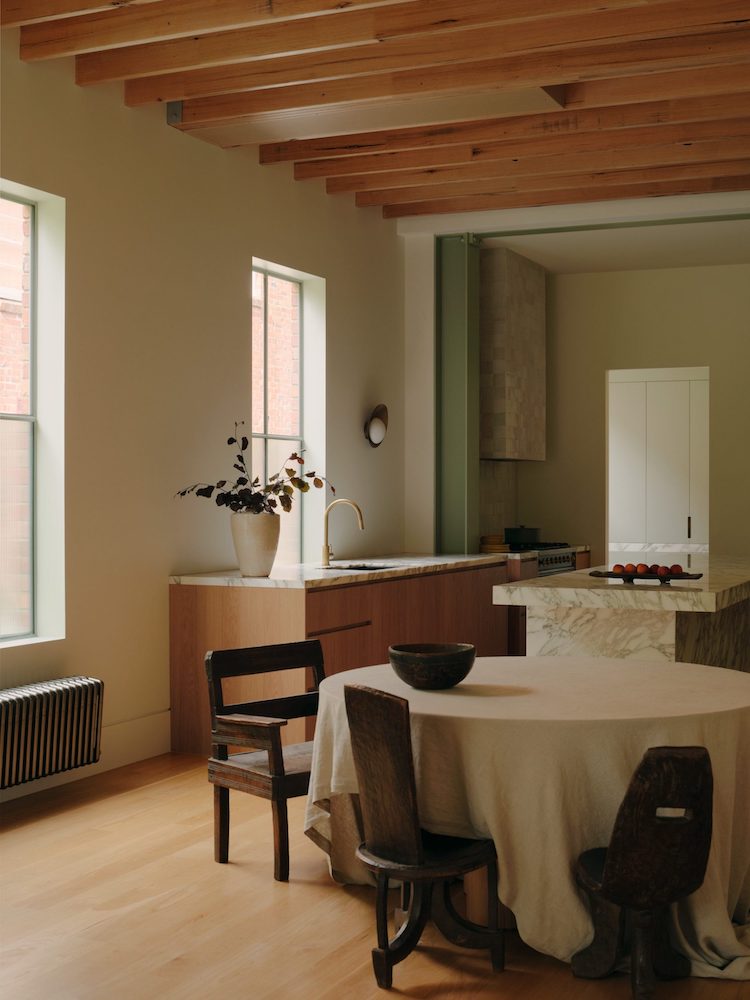
In a world that whirls faster with each passing day, the allure of timeless minimalism in interior design and architecture stands as a testament to the enduring beauty of simplicity. This design philosophy transcends fleeting trends, capturing elegance through clean lines, thoughtful spaces, and a harmonious interplay of form and function.
Here, quality triumphs over quantity. Every piece, whether furniture or decor, is chosen with precision and care. This emphasis on craftsmanship ensures that each element in the space adds value, both aesthetically and functionally. It's a philosophy that embraces the longevity of design, resisting the disposable nature of fast-paced trends.
Minimalist spaces often ingeniously harness natural light. Expansive windows and strategically placed openings seamlessly blend the interior with the exterior, erasing the boundaries between inside and out. The interplay of light and shadow becomes a dynamic element, casting a poetic ambiance that evolves throughout the day.
While minimalism may initially convey a sense of austerity, at its core lies a deep understanding of the human experience. Thoughtful design takes into consideration the needs and comfort of the inhabitants. The minimalist space becomes a canvas for personal expression, inviting individuals to infuse it with their unique stories and experiences.
Much like the work of architect Oliver Du Puy, timeless minimalism in interior design and architecture serves as an enduring ode to the beauty of simplicity. It extends an invitation to live deliberately, surrounded by elements that bring joy, purpose, and a sense of calm. In a world saturated with constant noise, the elegance of minimalism offers a respite—a timeless sanctuary where less truly becomes more.
Subscribe to:
Posts (Atom)


